Quite frankly, a let down crappy weather and and the same old crap there, gee i wonder what they are gonna do in two years time? dump and burn, hornets and…well the caribous will be retired by then,so no more wheel barrowing those bad boys…


Aircraft and Aviation Stuff
Quite frankly, a let down crappy weather and and the same old crap there, gee i wonder what they are gonna do in two years time? dump and burn, hornets and…well the caribous will be retired by then,so no more wheel barrowing those bad boys…
Read about it here


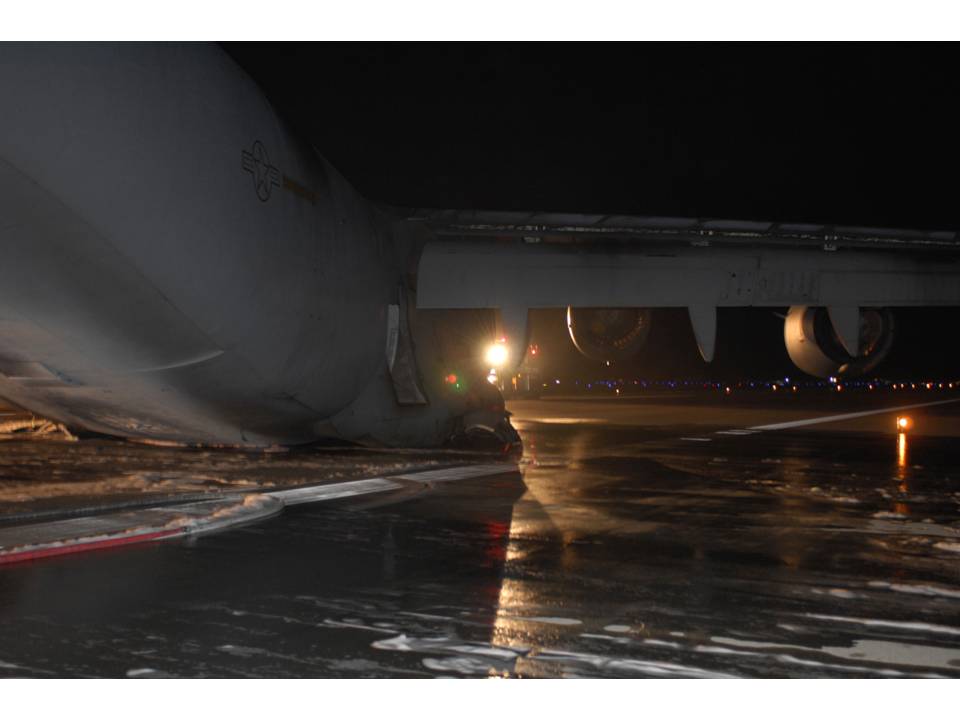


disturbing at the best…


[rant start]
Gets me every time and I am sick of searching for the soln on the net every time I uprgade the darn gallery…
anyway…”clear:both” remove
[rant finish]
they are all pretty colours 🙂


No shortage of Trainee pilots nowadays 🙂


As usual BAL are trying to ream the next best thing to recover their expensive purchase…
During the late 1990’s the Australian Federal Government, lead at the time by the Liberal Prime Minister Mr John Howard, brought forward the proposal of privatising Australia’s airport infrastructure assets. Underpinning this proposal was the argument that the government at the time would need to invest hundreds of millions of dollars in airport upgrades – money the government simply didn’t have. Rather than look towards the Australian tax-payer for additional funds, the decision at the time was made to sell off the airport assets off to private ownership, with a view that these private companies would invest and built our aviation industrial capabilities.
http://reviews.aviationadvertiser.com.au/2008/11/first-class-opportunity-to-take-off/
This should be a barrel of laughs…. bring your beer and chippies..take a place unde rthe supplied umbrella and watch the spectacle…
Following the successful Camden Airport Emergency Exercise in October, Sydney Metro Airport will hold its Annual Emergency Exercise on the northern side of the Airport on Tuesday 2 December 2008.
The aim of these events is to test the Airport Emergency Plan by exercising the roles of the NSW Fire Brigade, the NSW Police Force and the Ambulance Service in conjunction with the Airport Management company’s own staff.
A simulated emergency will be created involving an aircraft accident and a large number of casualties. The incident will practise emergency response, casualty care, fire fighting and command and control.
Viewing areas will be established for interested parties and NSW Police will ensure spectators do not enter restricted areas or aircraft operating locations.
Well this does all look fine and dandy, but for the life of me I cannot see a backup ASI or Altimeter.
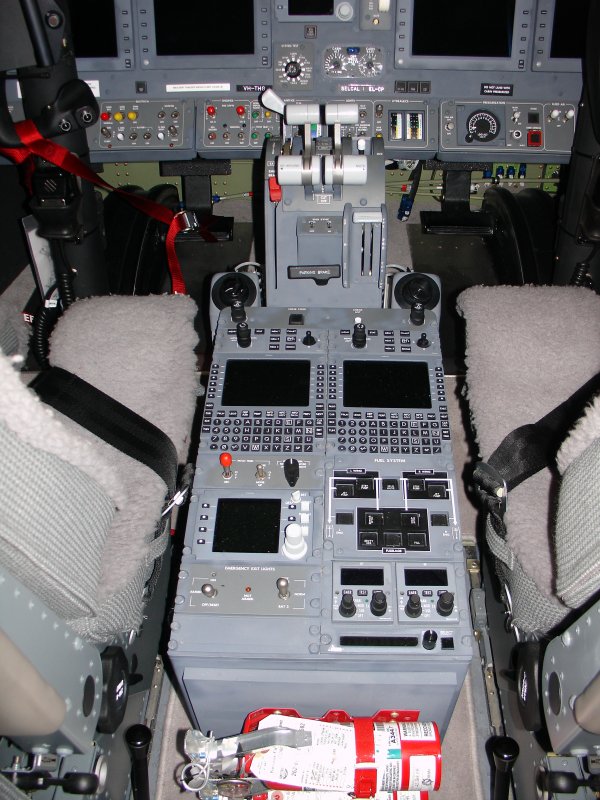
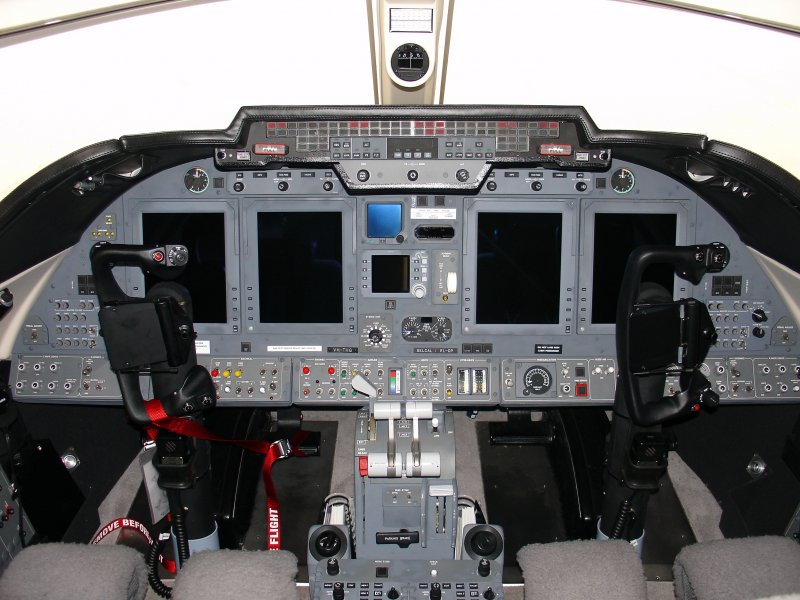
Compare this to the old school 1970 era Lear 35/36


who not to fly with……what to have once per day…. what to do as little of as possible….and whos getting old…


 Interesting units these… all the more so when ya get to pull them apart, and yes the grease was handy 🙂 This one is a recent MLG failure victim (Chieftian if I remember correctly), quite a nice Hartzell in its working days…
Propeller construction may consist of an aluminum “clam-shell” hub where the hub captures the blades, or a steel hub “spider” design where the blades are clamped to a hub . The blades may be made from an aluminum forging or from either Kevlar 49® or Carbon based fabrics or unidirectional tapes. The composite blades would additionally incorporate a leading edge erosion sheath to protect the blade from both abrasion (sand) and erosion (water) as well as offer an external conductive for a lightning strike.
The pitch control typically comes from a hydraulic fly-ball governor mounted on the engine. The governor senses whether the engine/propeller is running at the correct RPM and either supplies or maintains oil flow to the propeller, or drains oil to the engine sump. Of course, it is very important that the engine-mounted governor be properly matched to the propeller for proper pitch change command and response. The governor may or may not be supplied by the propeller manufacturer; however, it is necessary to ensure the propeller manufacturer has approved the governor for use with its propeller. In addition to controlling the propeller, this governor typically contains a pump that increases the oil pressure to a higher level than that which the engine supplies to a value sufficient to control the propeller.
 This has to come pretty close to the ugliest plane I have seen at our airport! The light blue paint job certainly did not do it any favours! This big bad boy is a twin engine (LEONIDES 531/8, whatever the hell those are! 9-cylinder supercharged aircooled radial piston engine – 550 odd HP) taildragger, another strike against it! I feel sorry for the pax, talk about a vertigo trip and you have not even lifted the tail! It feels like your climbing everest when trying to get to the cockpit!
Nonetheless we should concentrate on its good points…top speed? 145kts, well thats pretty good considering the size of the wings and the fuse, on that note you could probably land it in a footy field with those flaps and slats 🙂 This one i think was built around 1958, there were also military models, this may explain the tri-tail configuration to help against enemy fire – I think damage tolerance had a different meaning back then 🙂
What else we got? the cabin is very roomy with plenty of emergency egress exits – all in the roof?! reminds me a little of the Shorts skyvan, come to think of it, thats gotta be the ugliest aircraft ever built and still flying. So, Twin Pioneer you off the hook here, the second ugliest plane on the airport (note the skyvan has a real uncarriage setup:) )
 An interesting note about this particular aircraft, on the left had side of the fuse (internal) there is a whole stack of hand scrawled notes/calculations, maybe the flight engineer ran out of paper?! Imagine that, mid-transit and heres your flight engineer calculating landing distances based on weight etc on the fuselage skin, that would be a sight.
Head on over to the gallery for a full series of pictures on this ugly duckling – a few of some great british engineering with chains, hydraulics and the like!
DESPITE heated scoldings from flight instructors and grim warnings from the National Transportation Safety Board, many pilots still seem to believe that implied in the fact that an aircraft has two engines is a promise that it will perform with only one of those engines operative. And the light-twin stall/spin accident rate further indicates that many multi-engine pilots have not come to grips with the facts that:
A while back, the NTSB reported that light multi-engine aircraft are involved in fewer engine-failure-related accidents than single-engine aircraft. However the same report observed that an engine-failure-related accident in a twin is four times more likely to cause serious or fatal injuries. An analysis of that report appeared in the June issue of B/CA (Cause and Circumstance).
THIS AIT IS AN UPDATE OF PREVIOUS AIT N?1 CONCERNING THE A340-600
PRODUCTION AIRCRAFT MSN 856 INVOLVED IN AN ACCIDENT IN AIRBUS PRODUCTION
FACILITIES IN TOULOUSE ON THE 15TH NOVEMBER 2007 AT 17:00 LOCAL TIME.
THE FOLLOWING IS THE SEQUENCE OF EVENTS ACCORDING TO THE RECORDERS,
WHICH HAS BEEN APPROVED FOR RELEASE BY THE FRENCH INVESTIGATION
AUTHORITIES (BEA).
